
How Much Does Landscaping Cost in 2025? Complete Price Guide
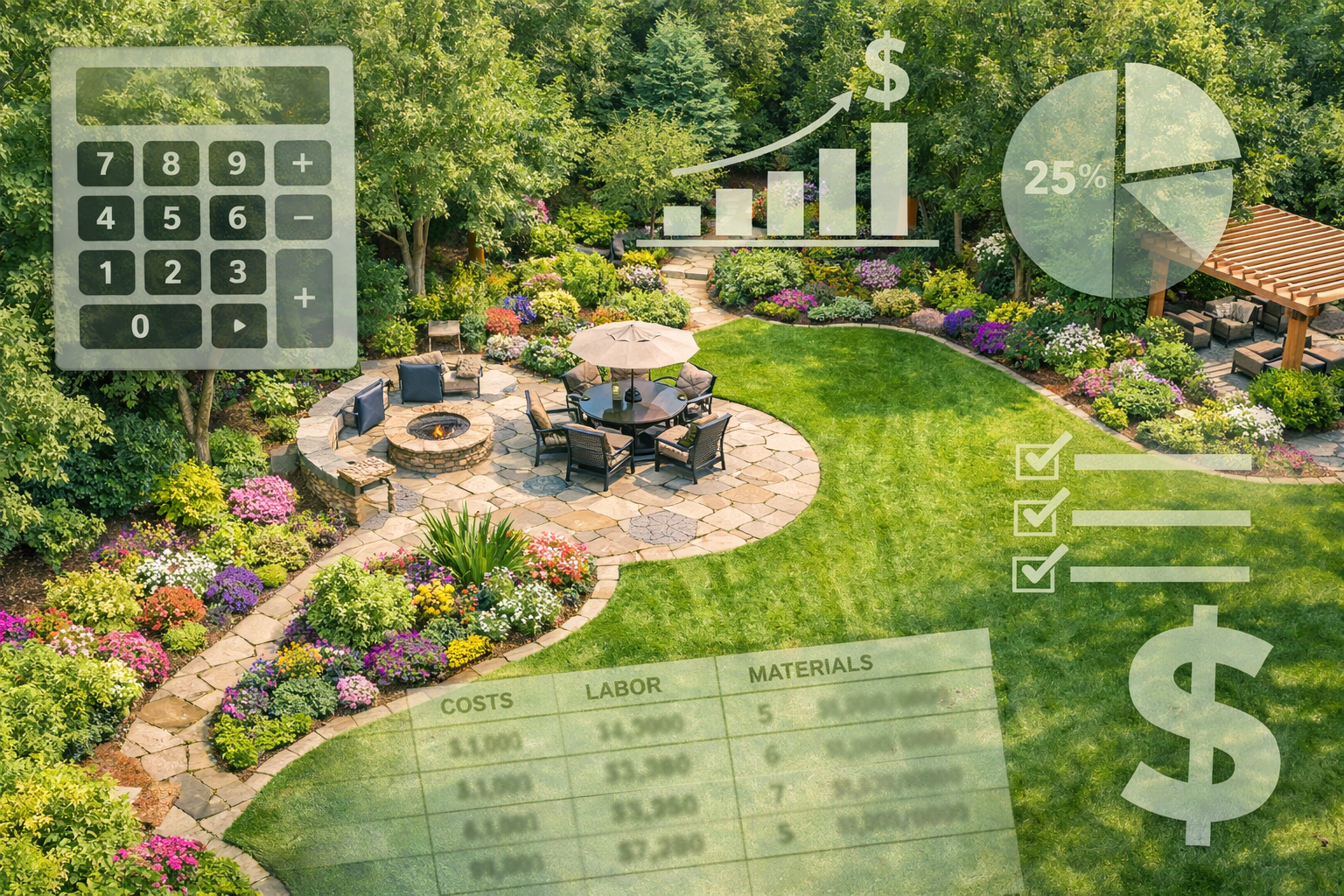
How Much Does Landscaping Cost in 2025? Complete Price Guide
The average American spends $3,000 to $15,000 on landscaping, but costs range from a few hundred dollars for basic lawn care to over $100,000 for complete outdoor living transformations.
Here’s what makes landscaping costs so confusing: there’s no standard pricing. A patio that costs $8,000 in Ohio might cost $18,000 in California. A “simple” retaining wall can range from $1,500 to $25,000 depending on height, materials, and engineering requirements.
This guide breaks down exactly what you’ll pay for every type of landscaping project in 2025, including regional variations, hidden costs, and the planning strategies that consistently save homeowners 20-40% on their projects.
Landscaping Cost Overview: Quick Reference
| Project Type | National Average | Typical Range |
|---|---|---|
| Full landscape renovation | $13,500 | $8,000 - $50,000+ |
| Basic lawn & garden makeover | $4,500 | $1,500 - $8,000 |
| Patio installation | $3,500 | $1,500 - $10,000 |
| Retaining wall | $5,500 | $1,500 - $25,000 |
| Irrigation system | $3,800 | $2,000 - $7,000 |
| Outdoor lighting | $2,500 | $1,000 - $5,000 |
| Tree planting (mature) | $1,200 | $400 - $3,000 per tree |
| Sod installation | $2,000 | $1,000 - $4,000 per 1,000 sq ft |
Landscaping Costs by Project Type
Lawn Installation & Renovation
Sod Installation
- Cost: $1.00 - $2.50 per square foot (installed)
- 1,000 sq ft yard: $1,000 - $2,500
- 5,000 sq ft yard: $5,000 - $12,500
- Includes: Soil prep, sod, installation, initial watering
- Timeline: Instant lawn, established in 2-3 weeks
Seed Installation
- Cost: $0.30 - $0.80 per square foot
- 1,000 sq ft yard: $300 - $800
- 5,000 sq ft yard: $1,500 - $4,000
- Includes: Soil prep, seed, starter fertilizer, straw cover
- Timeline: 6-12 weeks to establish
Lawn Renovation (existing lawn)
- Aeration only: $75 - $200 (average yard)
- Overseeding: $150 - $400 (average yard)
- Dethatching: $150 - $250 (average yard)
- Complete renovation: $500 - $2,000 (average yard)
Hardscaping: Patios, Walkways & Driveways
Concrete Patio
- Basic brushed concrete: $6 - $12 per sq ft
- Stamped concrete: $12 - $20 per sq ft
- Stained/colored concrete: $10 - $18 per sq ft
- Average 300 sq ft patio: $1,800 - $6,000
Paver Patio
- Standard pavers: $12 - $22 per sq ft
- Premium pavers (porcelain, natural stone): $20 - $50 per sq ft
- Average 300 sq ft patio: $3,600 - $15,000
Natural Stone Patio
- Flagstone: $15 - $35 per sq ft
- Bluestone: $20 - $45 per sq ft
- Travertine: $25 - $50 per sq ft
- Average 300 sq ft patio: $4,500 - $15,000
Walkways
- Concrete: $8 - $15 per sq ft
- Pavers: $12 - $25 per sq ft
- Flagstone: $15 - $40 per sq ft
- Gravel with edging: $3 - $8 per sq ft
- Typical 50 linear ft path: $400 - $3,000
Retaining Walls
Retaining wall costs vary dramatically based on height, materials, and whether engineering is required:
| Wall Height | Typical Cost per Linear Foot |
|---|---|
| Under 3 feet | $20 - $60 |
| 3-4 feet | $50 - $125 |
| 4-6 feet | $100 - $200 |
| Over 6 feet | $200 - $500+ (engineer required) |
By Material:
- Timber: $15 - $30 per sq ft of wall face
- Concrete block: $20 - $45 per sq ft
- Natural stone: $35 - $75 per sq ft
- Poured concrete: $30 - $60 per sq ft
- Boulder: $25 - $55 per sq ft
Example: A 30-foot long, 3-foot tall block retaining wall (90 sq ft face): $1,800 - $4,050
Planting & Garden Beds
Trees
| Tree Size | Cost (installed) |
|---|---|
| Small (5-6 ft) | $150 - $400 |
| Medium (8-10 ft) | $400 - $900 |
| Large (12-15 ft) | $800 - $1,800 |
| Specimen/Mature (3"+ caliper) | $1,500 - $5,000+ |
Shrubs
- 1-gallon: $25 - $50 installed
- 3-gallon: $45 - $85 installed
- 5-gallon: $75 - $150 installed
- Large specimens: $150 - $400+ installed
Garden Bed Installation
- Bed preparation only: $2 - $5 per sq ft
- Basic plantings + mulch: $8 - $15 per sq ft
- Premium plantings + mulch: $15 - $35 per sq ft
- Typical 100 sq ft bed: $200 - $3,500
Mulch
- Materials only: $30 - $80 per cubic yard
- Installed: $45 - $120 per cubic yard
- Coverage: 1 cubic yard covers ~100 sq ft at 3" depth
Irrigation Systems
In-Ground Sprinkler System
- Per zone: $500 - $1,000
- Average home (6-8 zones): $2,500 - $5,500
- Large property (10+ zones): $5,000 - $10,000+
Drip Irrigation
- Garden beds: $1 - $3 per linear foot
- Typical installation: $500 - $2,500
Smart Controller Upgrade
- Controller only: $150 - $400
- With installation: $250 - $600
Outdoor Lighting
Low-Voltage Landscape Lighting
- Per fixture (installed): $100 - $300
- Typical package (8-12 fixtures): $1,500 - $4,000
- Premium installation (20+ fixtures): $4,000 - $10,000
Common Fixtures:
- Path lights: $75 - $200 each
- Spotlights/uplights: $100 - $250 each
- Well lights: $150 - $350 each
- Deck/step lights: $50 - $150 each
Water Features
Fountains
- Small standalone: $200 - $800
- Medium installed: $1,000 - $3,500
- Large/custom: $3,500 - $15,000
Ponds
- Small (up to 50 sq ft): $1,500 - $5,000
- Medium (50-150 sq ft): $5,000 - $15,000
- Large (150+ sq ft): $15,000 - $50,000+
Waterfalls
- Add-on to pond: $1,000 - $5,000
- Pondless waterfall: $3,000 - $10,000
Fencing
| Fence Type | Cost per Linear Foot |
|---|---|
| Chain link (4 ft) | $10 - $20 |
| Wood privacy (6 ft) | $20 - $40 |
| Vinyl privacy (6 ft) | $25 - $50 |
| Aluminum ornamental | $25 - $55 |
| Wrought iron | $30 - $100 |
| Composite | $30 - $60 |
Average 150 linear foot fence: $1,500 - $9,000
Outdoor Living Spaces
Pergola
- Wood (10x12): $2,500 - $6,000
- Vinyl (10x12): $4,000 - $8,000
- Aluminum (10x12): $5,000 - $12,000
Outdoor Kitchen
- Basic (grill + counter): $3,000 - $8,000
- Mid-range (grill, sink, fridge, counter): $8,000 - $20,000
- Premium (full kitchen): $20,000 - $75,000+
Fire Pit
- Pre-fabricated: $300 - $1,500
- Custom built-in: $1,500 - $5,000
- Fire pit with seating wall: $3,000 - $10,000
Deck
- Pressure-treated wood: $20 - $35 per sq ft
- Cedar/redwood: $30 - $50 per sq ft
- Composite: $35 - $60 per sq ft
- Average 300 sq ft deck: $6,000 - $18,000
Regional Cost Variations
Landscaping costs vary significantly by region. Here’s how your location affects pricing:
| Region | Cost Adjustment | Example: $10,000 project |
|---|---|---|
| Pacific Coast (CA, OR, WA) | +20% to +40% | $12,000 - $14,000 |
| Northeast (NY, MA, CT) | +15% to +30% | $11,500 - $13,000 |
| Mountain West (CO, UT, AZ) | +5% to +15% | $10,500 - $11,500 |
| Midwest (OH, IL, MN) | Baseline | $10,000 |
| Southeast (FL, GA, NC) | -5% to +10% | $9,500 - $11,000 |
| South Central (TX, OK) | -10% to +5% | $9,000 - $10,500 |
Factors driving regional differences:
- Labor costs and availability
- Material transportation costs
- Climate requirements (irrigation, plant hardiness)
- Permit and regulation requirements
- Cost of living adjustments
Hidden Costs That Blow Landscaping Budgets
These often-forgotten expenses catch homeowners off guard. Budget for them upfront:
Before Work Begins
Site Preparation
- Demolition/removal of existing hardscape: $500 - $5,000
- Tree/stump removal: $200 - $2,000 per tree
- Debris hauling: $150 - $500 per load
- Utility locating: $0 - $300
Grading & Drainage
- Basic grading: $500 - $2,000
- French drain installation: $25 - $50 per linear foot
- Catch basin: $250 - $500 each
- Re-routing downspouts: $100 - $400
Soil Work
- Soil testing: $30 - $150
- Soil amendments (per 1,000 sq ft): $100 - $500
- Topsoil delivery: $25 - $60 per cubic yard
Permits & Engineering
- Typical landscape permit: $50 - $300
- Retaining wall permit (over 4 ft): $100 - $500
- Structural engineering (required for tall walls): $500 - $2,000
- Survey (if property lines unclear): $300 - $800
Ongoing First-Year Costs
- Plant replacement guarantee claims: Most contractors offer 1-year; budget 10%
- Establishment watering: $50 - $200/month extra on water bill
- Initial fertilization program: $200 - $600
- First professional maintenance visits: $150 - $400/month
Budget Rule: Add 15-20% contingency to your project budget. If your quote is $15,000, plan for $17,250 - $18,000.
Why Landscaping Projects Go Over Budget (And How to Prevent It)
The average landscaping project exceeds its budget by 23%. On a $15,000 project, that’s $3,450 in unexpected costs.
Here’s why it happens and how to prevent each issue:
Problem #1: The “While We’re At It” Trap
You install a beautiful new patio, then realize the old lawn looks terrible next to it. Then the shrubs seem dated. Your $8,000 patio becomes a $25,000 renovation.
Prevention: Visualize the complete project before starting. See how each element works together so you can either budget for the full scope or make peace with a phased approach.
Problem #2: Mid-Project Design Changes
Changing your mind once construction begins costs 2-3x more than planning changes:
- Contractor must redo work
- Materials are wasted
- Timeline extends
- Momentum is lost
Prevention: See your design before breaking ground. AI visualization tools let you test ideas on your actual property, making design changes free instead of expensive.
Problem #3: Vague Specifications Lead to Vague Quotes
“I want a nice patio” means different things to different contractors. Without visual specifications:
- Quotes are estimates, not commitments
- Misunderstandings lead to disputes
- You pay for their interpretation, not your vision
Prevention: Create detailed visual plans showing exactly what you want. Share identical specs with all contractors for truly comparable quotes.
Problem #4: Skipping the Planning Phase
Many homeowners go from “I want a new yard” to “Here’s a deposit” without proper planning. It feels efficient but costs more in the end.
Prevention: Invest time (and a few dollars) in visualization before investing thousands in installation.
The Planning Strategy That Saves Thousands
The most successful landscaping projects share one trait: they start with visualization.
Before spending money on installation, smart homeowners:
Step 1: Visualize Your Design
Use AI-powered tools to see different designs applied to your actual property. Test styles, compare options, and find what you truly love—before any commitments.
Step 2: Get Accurate Quotes
When contractors see exactly what you want (not just hear your description), their quotes are:
- More accurate (fewer surprises)
- Easier to compare (same specifications)
- More competitive (clear scope limits changes)
Step 3: Eliminate Change Orders
The most expensive words in construction: “Actually, I wanted…” When you’ve already seen and approved the design, mid-project changes virtually disappear.
The ROI Math
| Scenario | Without Visualization | With Visualization | Your Savings |
|---|---|---|---|
| One design change mid-project | $1,500 - $3,000 extra | $0 | $1,500 - $3,000 |
| Quote accuracy | 15-25% over budget | On or under budget | $2,000 - $4,000 on $15k project |
| Avoid complete do-over | Tear out & redo: $5,000+ | Love the result | $5,000+ |
The bottom line: A few dollars spent on visualization saves hundreds or thousands on the actual project.
How to Save Money on Landscaping (12 Proven Strategies)
1. Phase Your Project Strategically
You don’t have to do everything at once:
Phase 1 (Year 1): Infrastructure
- Grading and drainage (do this first or pay later)
- Irrigation system (install while ground is open)
- Major hardscaping (patios, walls)
Phase 2 (Year 2): Structure Planting
- Trees (they need time to grow)
- Large shrubs
- Lawn installation
Phase 3 (Year 3): Finishing
- Perennials and flowers
- Lighting
- Outdoor furniture
- Decorative elements
2. Time Your Project for Off-Season Savings
| Timing | Typical Savings | Best For |
|---|---|---|
| November - February | 15-25% | Hardscaping, planning |
| March | 10-15% | Early spring planting |
| July - August | 10-20% | Contractor availability |
| September - October | 5-15% | Fall planting, plant sales |
Peak season (April - June): Expect full prices and limited availability.
3. Get Multiple Quotes the Right Way
Don’t just call three contractors and pick the cheapest. Instead:
- Create a scope document with visualization images
- Share identical specs with all contractors
- Request itemized quotes (not lump sums)
- Compare line by line (materials, labor, timeline)
4. Know Where to Splurge vs. Save
Worth the Investment:
- Hardscaping quality (lasts decades)
- Proper drainage (prevents expensive problems)
- Professional irrigation design (saves water + plants)
- Mature trees (instant impact)
OK to Economize:
- Mulch (replaced every 1-2 years anyway)
- Annuals and perennials (add over time)
- Decorative accessories
- DIY-friendly tasks
5. Use a Hybrid DIY/Pro Approach
Hire professionals for:
- Hardscaping (patios, walls, walkways)
- Irrigation installation
- Electrical work
- Large tree planting
- Grading and drainage
DIY to save 30-40%:
- Mulching
- Small plant installation
- Garden bed prep
- Flower planting
- Basic maintenance
6. Buy Plants Strategically
- End of season sales: 30-50% off at nurseries (September-October)
- Smaller sizes: A 3-gallon shrub is 1/3 the price of a 7-gallon but catches up in 2 years
- Native plants: Often cheaper and require less maintenance
- Wholesale nurseries: 20-40% savings if you can transport plants yourself
7. Consider Alternative Materials
Budget-Friendly Swaps:
| Premium Option | Budget Alternative | Savings |
|---|---|---|
| Natural flagstone | Stamped concrete | 40-60% |
| Bluestone pavers | Concrete pavers | 30-50% |
| Sod lawn | Seed lawn | 50-70% |
| Built-in fire pit | Pre-fab fire pit | 60-80% |
8. Negotiate Smart
What to negotiate:
- Price matching competitor quotes
- Free delivery of materials
- Extended warranty on plants
- Payment terms
- Off-season scheduling for discount
What NOT to negotiate:
- Quality of materials (you’ll regret it)
- Proper base preparation
- Drainage solutions
- Permit requirements
9. Avoid These Costly Mistakes
- Skipping drainage planning: Water problems cost $3,000-$15,000 to fix later
- Cheaping out on hardscape base: Proper base = $2-4/sq ft extra now vs. $20+/sq ft to replace in 5 years
- Ignoring mature size of plants: Removing overgrown plants costs $200-$1,000+ each
- No irrigation for new plantings: Replacing dead plants costs more than irrigation
10. Use Your Property’s Natural Assets
Before adding features, maximize what you have:
- Existing trees: Clean up and highlight rather than remove
- Natural slopes: Work with topography instead of fighting it
- Views: Frame good views, screen bad ones
- Existing hardscape: Can it be cleaned/stained rather than replaced?
11. Plan for Maintenance Costs
Low-maintenance design saves thousands over time:
| Feature | Annual Maintenance Cost |
|---|---|
| Large lawn (5,000 sq ft) | $1,200 - $3,000 |
| Native plant garden | $300 - $800 |
| Mulched beds | $400 - $1,000 |
| Artificial turf | $100 - $300 |
| Gravel/rock gardens | $100 - $400 |
12. Get It Right the First Time
The most expensive landscaping is the landscaping you have to redo. Investing in proper planning—including visualization—costs a fraction of fixing mistakes later.
Questions to Ask Before Hiring a Landscaper
Use this checklist when interviewing contractors:
Credentials & Experience
- [ ] Are you licensed and insured?
- [ ] How long have you been in business?
- [ ] Can I see photos of similar projects?
- [ ] Can I contact 3 recent references?
Project Specifics
- [ ] Will you provide a detailed written quote?
- [ ] What’s included in your price? What’s extra?
- [ ] Who will supervise the work daily?
- [ ] What’s your timeline for this project?
Financial
- [ ] What’s your payment schedule?
- [ ] Do you offer any warranties?
- [ ] What happens if we go over budget?
- [ ] Is there a charge for design changes?
Red Flags to Watch For
- No written contract
- Requires large deposit (over 30%)
- Can’t provide references
- Significantly cheaper than competitors
- Pressures quick decision
- No physical business address
Frequently Asked Questions
How much should I budget for landscaping?
General rule: Budget 5-10% of your home’s value for complete landscaping. For a $400,000 home, that’s $20,000-$40,000. For basic improvements, $3,000-$8,000 covers most needs.
Is landscaping worth the investment?
Yes. Professional landscaping typically returns 100-200% of its cost in added home value. A $10,000 landscape investment can add $15,000-$20,000 to your home’s value.
How much does a landscaper charge per hour?
Landscape laborers charge $25-$50/hour. Skilled installers charge $50-$85/hour. Designers/architects charge $75-$200/hour. Most residential projects are quoted as fixed-price rather than hourly.
What time of year is cheapest for landscaping?
Late fall through early spring (November-March) offers the best pricing—often 15-25% less than peak season. However, some work (like planting in frozen ground) isn’t possible in all climates.
How can I landscape cheaply?
Focus on: phased installation, off-season timing, hybrid DIY approach, smaller plant sizes, native plants, seed instead of sod, and concrete instead of natural stone. Most importantly: plan thoroughly to avoid costly mistakes.
Should I do landscaping before or after building a fence?
Generally, fence first. This establishes boundaries, protects new plantings, and avoids damage to landscape during fence installation. Exception: if irrigation lines need to cross the fence line, coordinate timing carefully.
Your Next Step: See Your Design Before You Spend
The single most effective way to save money on landscaping isn’t finding the cheapest contractor—it’s knowing exactly what you want before you spend a dollar.
With AI-powered landscape visualization, you can:
- Upload a photo of your actual property
- See multiple design styles applied to your space
- Compare options before committing to anything
- Share images with contractors for accurate quotes
- Eliminate buyer’s remorse by seeing results first
The cost? A fraction of what you’ll save by avoiding design changes, getting accurate quotes, and making confident decisions.
Try our landscape visualization tool →
Your future yard—and your wallet—will thank you.
Prices in this guide reflect 2025 national averages. Your actual costs will vary based on location, site conditions, material choices, and contractor rates. For the most accurate estimate, visualize your specific project and get quotes from local contractors.